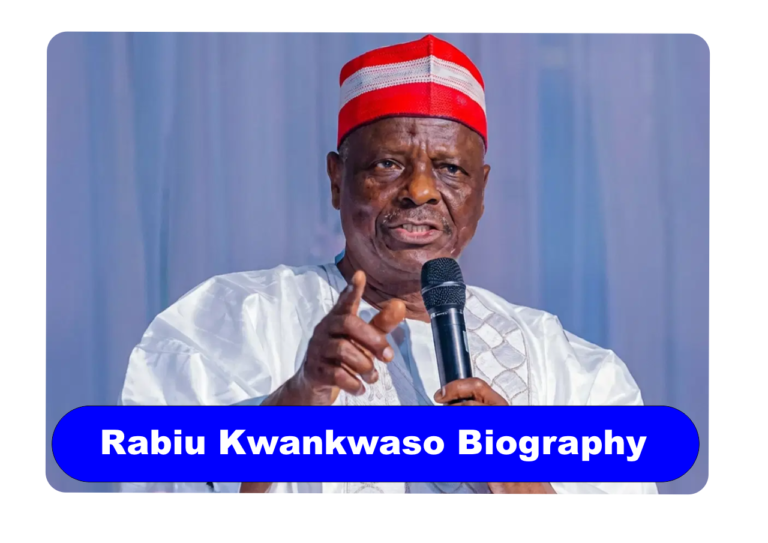
Rabiu Kwankwaso, 70, is a former Kano governor and Peter Obi’s 2027 running mate. Read about his wife, children, education, NNPP history and political career.
Rabiu Musa Kwankwaso is a Nigerian politician, engineer, and former governor of Kano State who has held several important positions in the country’s government. This Rabiu Kwankwaso biography explores his age, early life, education, wife, children, political career, and involvement in the 2027 presidential election. He is particularly known for serving two terms as Kano State governor and founding the Kwankwasiyya political movement.
Born on 21 October 1956, Kwankwaso turned 70 in October 2026. He previously served as Nigeria’s Minister of Defence, represented Kano Central in the Senate, and contested the 2023 presidential election under the New Nigeria Peoples Party (NNPP). As of October 2026, he is reported to be involved in political preparations for the 2027 presidential election. His political activities continue to attract national attention, particularly in northern Nigeria.
Quick Facts About Rabiu Kwankwaso
| Detail | Information |
|---|---|
| Full Name | Mohammed Rabi’u Musa Kwankwaso |
| Date of Birth | 21 October 1956 |
| Age | 70 years (as of October 2026) |
| Birthplace | Kwankwaso, Madobi, Kano State |
| State of Origin | Kano State |
| Nationality | Nigerian |
| Profession | Politician and engineer |
| Political Party | Nigeria Democratic Congress (NDC), as previously reported |
| Wife | Salamatu Rabiu Musa Kwankwaso |
| Children | Six (commonly reported) |
| Education | Kaduna Polytechnic, Loughborough University, Sharda University |
| Political Movement | Kwankwasiyya Movement |
| Former Position | Governor of Kano State |
| Presidential Election | NNPP candidate in 2023 |
Rabiu Kwankwaso’s Early Life and Family Background
Rabiu Musa Kwankwaso was born on 21 October 1956 in Kwankwaso village, located in Madobi Local Government Area of Kano State, Nigeria. He grew up in a Muslim Fulani family with strong connections to traditional community leadership. His father, Musa Salihu, served as the village head of Kwankwaso before becoming the district head of Madobi.
Kwankwaso spent his childhood in Kano, where he received both Islamic and Western education. He began Islamic studies at an early age before entering formal primary school in 1962. Growing up in northern Nigeria exposed him to local community affairs and the traditional leadership system. These experiences formed part of the background to his later career in public service.
Education and Engineering Qualifications
Kwankwaso attended Kwankwaso Primary School and Gwarzo Boarding Senior Primary School before proceeding to Wudil Craft School. He later studied at Kano Technical College, where he developed an interest in engineering. His technical education prepared him for professional work in water resources and public infrastructure.
He continued his studies at Kaduna Polytechnic, earning National Diploma and Higher National Diploma qualifications. He subsequently travelled to the United Kingdom for postgraduate studies at Middlesex Polytechnic and Loughborough University of Technology. In 1985, he obtained a master’s degree in water engineering from Loughborough University.
His academic interests continued long after he entered politics. In 2022, Kwankwaso earned a Doctor of Philosophy degree in water engineering from Sharda University in India. His educational background has remained closely connected to his public statements about technical training and infrastructure development.
Engineering Career Before Entering Politics
Before becoming a politician, Kwankwaso worked as an engineer with the Kano State Water Resources and Engineering Construction Agency. He joined the agency in 1975 and spent approximately seventeen years in public service. During that period, he occupied several technical and administrative positions, eventually rising to the rank of principal engineer.
His responsibilities included work relating to water supply and infrastructure development. The experience introduced him to government administration and public-sector project management. He remained in engineering until his transition into active politics in the early 1990s.
Rabiu Kwankwaso’s Political Career and Rise to Power
Kwankwaso began his political career in 1992 when he was elected to Nigeria’s House of Representatives under the Social Democratic Party (SDP). He represented the Madobi constituency and became Deputy Speaker of the House. His legislative career was interrupted when the military government dissolved democratic institutions in 1993.
Following Nigeria’s return to democratic rule, he contested the 1999 governorship election in Kano State under the Peoples Democratic Party (PDP). He won and assumed office on 29 May 1999. His election marked the beginning of his first term as governor and established him as a major political figure in Kano.
First Term as Governor of Kano State (1999–2003)
During his first administration, Kwankwaso introduced programmes concerning education, public infrastructure, and social services. His government worked on school enrolment initiatives and projects aimed at improving access to public facilities. He also supported programmes intended to expand educational opportunities for children.
However, his administration faced political opposition and criticism over some government decisions. In the 2003 governorship election, he lost his re-election bid to Ibrahim Shekarau of the All Nigeria Peoples Party (ANPP). His defeat temporarily ended his tenure as governor but did not remove him from national politics.
Appointment as Nigeria’s Minister of Defence
Following his electoral defeat in 2003, President Olusegun Obasanjo appointed Kwankwaso as Nigeria’s Minister of Defence. He held the position until 2007 and became involved in national defence administration and security policy. His appointment provided an opportunity to work at the federal level after serving in state government.
After leaving the ministry, he undertook other public responsibilities, including a diplomatic assignment concerning Somalia and Darfur. He also served on the board of the Niger Delta Development Commission. These appointments kept him involved in federal government activities before his return to Kano politics.
Second Term as Kano Governor (2011–2015)
Kwankwaso returned to office in May 2011 after defeating the incumbent governor’s preferred candidate in the Kano governorship election. His second administration placed considerable emphasis on education, vocational training, road construction, and public infrastructure.
His government established educational institutions, including Northwest University, Kano, now known as Yusuf Maitama Sule University, and Kano University of Science and Technology campuses and related programmes. His administration also sponsored students for studies within Nigeria and abroad. Supporters frequently cite these initiatives as important achievements of his governorship.
Infrastructure projects during this period included flyovers, road improvements, and housing developments. However, the administration also faced criticism over government spending, political disagreements, and the implementation of certain programmes. Assessments of his tenure therefore vary according to the policies and outcomes being examined.
Senate Career and the Kwankwasiyya Movement
In 2015, Kwankwaso was elected senator representing Kano Central Senatorial District under the All Progressives Congress (APC). He served in the Nigerian Senate from 2015 to 2019. His legislative work followed his two terms as governor and continued his participation in national politics.
He is also the founder and principal figure associated with the Kwankwasiyya Movement, a political organisation with a strong support base in Kano State. Members are widely recognised by their red caps, which have become a symbol of the movement.
Kwankwasiyya promotes education, youth empowerment, and public participation as central political themes. Its supporters credit the movement with encouraging grassroots political involvement. Critics, however, have questioned the influence of political patronage and loyalty to individual leaders within Kano politics.
Rabiu Kwankwaso’s 2023 Presidential Election
In 2022, Kwankwaso joined the New Nigeria Peoples Party and became its presidential candidate for the 2023 general election. His campaign focused on education, security, economic development, and youth employment. He received particularly strong support in Kano State, where his political movement had developed an established following.
According to the Independent National Electoral Commission, Kwankwaso received 1,496,687 votes, representing approximately 6.23% of valid votes in the February 2023 presidential election. He finished fourth behind Bola Tinubu, Atiku Abubakar, and Peter Obi. Although he did not win the presidency, the election demonstrated the concentration of his electoral support in Kano.
Rabiu Kwankwaso and the 2027 Presidential Election
Kwankwaso’s political activities have continued to attract attention ahead of Nigeria’s 2027 presidential election. His established support base in Kano and his previous presidential candidacy have made him a prominent figure in discussions about opposition political alliances.
Political reports have linked him to discussions involving Peter Obi and other opposition figures. However, political alliances and party arrangements can change, making it important to distinguish confirmed announcements from speculation.
His participation in national politics reflects his continued involvement in debates about education, security, economic development, and governance. The direction of his political career will depend on official party decisions and developments surrounding the election.
Rabiu Kwankwaso’s Wife and Children
Rabiu Kwankwaso is married to Salamatu Rabiu Musa Kwankwaso, who served as First Lady of Kano State during his governorship. She has generally maintained a relatively private public profile despite her husband’s lengthy political career. The family is associated with Kano State, where Kwankwaso has spent much of his life.
Biographical accounts commonly report that Kwankwaso has six children, although published accounts are not entirely consistent. One of his daughters, Dr. Aisha Rabiu Musa Kwankwaso, married engineer Fahad Dahiru Mangal in November 2024. Their wedding in Kano attracted several prominent Nigerian political figures, including former President Olusegun Obasanjo.
Rabiu Kwankwaso’s Net Worth and Sources of Income
Rabiu Kwankwaso has earned income through his professional engineering career and decades of public service. His previous positions include governor, federal minister, and senator. However, these offices do not establish the current value of his personal assets.
Although various websites publish estimates of his wealth, his exact net worth has not been independently verified. There is insufficient publicly available financial documentation to establish a reliable figure for his private investments, property holdings, or total personal fortune.
Final Thoughts
Rabiu Kwankwaso’s biography reflects a long political career that began in engineering and developed through legislative, state, and federal government positions. His two terms as Kano governor, involvement in the Kwankwasiyya Movement, and presidential campaign have made him a familiar figure in Nigerian politics.
As political discussions surrounding the 2027 presidential election continue, his career remains a subject of public interest. His record is frequently debated, particularly regarding education, infrastructure, party politics, and his influence in Kano State.
Frequently Asked Questions
Q1: How old is Rabiu Kwankwaso in 2026?
Rabiu Kwankwaso is 70 years old as of October 2026. He was born on 21 October 1956 in Kwankwaso village, Kano State.
Q2: Who is Rabiu Kwankwaso’s wife?
His wife is Salamatu Rabiu Musa Kwankwaso, who served as First Lady of Kano State. She has maintained a relatively private public life.
Q3: How many children does Rabiu Kwankwaso have?
Biographical sources commonly report that Rabiu Kwankwaso has six children, although some published accounts differ. His children include Dr. Aisha Rabiu Musa Kwankwaso.
Q4: Which political party does Rabiu Kwankwaso belong to in 2026?
Kwankwaso was the presidential candidate of the New Nigeria Peoples Party in 2023. Subsequent reports have discussed changes in his political affiliation, but his current party membership requires confirmation from an official announcement.
Q5: Is Rabiu Kwankwaso Peter Obi’s running mate?
Political reports have discussed a possible alliance involving Kwankwaso and Peter Obi ahead of the 2027 election. The status of any joint presidential ticket should be established through official party announcements and electoral records.
Q6: What is Rabiu Kwankwaso’s net worth?
Rabiu Kwankwaso’s exact net worth is not publicly verified. Online estimates vary and cannot reliably establish his personal wealth.
Q7: How many times was Rabiu Kwankwaso governor of Kano State?
Rabiu Kwankwaso served as governor of Kano State twice. His first term lasted from 1999 to 2003, while his second term ran from 2011 to 2015.